Showing posts with label teaching Hamilton. Show all posts

Wednesday, April 10, 2019

9 Ways to Use Music in the Social Studies Classroom


If you’ve been to any Equity training in the past few years, you have probably heard of the “6 Ms”. One  of my favorite “M”s stands for “music”.

It might be because I was a wedding DJ (and middle school dance DJ!). But I really love using music!

But if you’re like me, using music can sometimes be daunting. I mean, do I choose cool, current music that I’m not familiar with because I’m not 14 anymore? Or do I choose my old, familiar, grown-up music that the kids might hate? What about bad words? What if the music gets the kids rowdier than I want? What’s the point of using music anyway?

Why should I try?

Music connects with kids (heck, with ALL people), but it’s particularly good for engaging kids who might not be otherwise engaged. It helps kids to perk up and pay attention. It might reach someone who’s hard to reach. It might teach content better than some other ways.

Here are NINE ideas for using music in your classroom -- and I have STOLEN all NINE of these from real classrooms around our district.

  1. Play music without words: If you don’t want to worry about bad words -- or worse, slang that you don’t even KNOW is bad -- try listening to instrumental versions of popular music! You can literally search “instrumental versions of popular songs 2019”  on youtube and play it on -- winning both the battle against bad words and the battle for music “acceptable” to your kids!
  2. Play music during independent or collaborative work time: Some kids learn better with background noise. So play music quietly when they are doing only independent or collaborative work so that they can concentrate.
  3. Use music to actually teach: Youtube is a great (and terrible) invention. One of the ways we can incorporate music FOR learning is to use the brilliance of other teachers online. Try “Too Late to Apologize”  or (my favorite) Mr. Betts or the (world) Historyteachers or (ancient history) Mr. Nicky  or Schoolhouse Rock or School Yard Rap or Flocabulary or one of a million parodies.
  4. Have kids make their own songs/rhymes/raps: Assign kids the option of making a  song/rhyme/rap about the topic you’re learning about in class. There’s nothing better than a student project where they crack themselves up because of their fabulous wordsmithing and their use of their FAVORITE songs!
  5. Hear actual historical music: Listen to “We Shall Overcome” or “Strange Fruit” when you talk about the Civil Rights Movement. My high school World History teacher made our whole class of 15 year-olds stand up and sing “Over There”, the WWI fight song.Teach protest songs
  6. Use Music as a Primary Source: Have kids analyze the lyrics or respond in writing to a song. Have them look at music as another type of primary source.
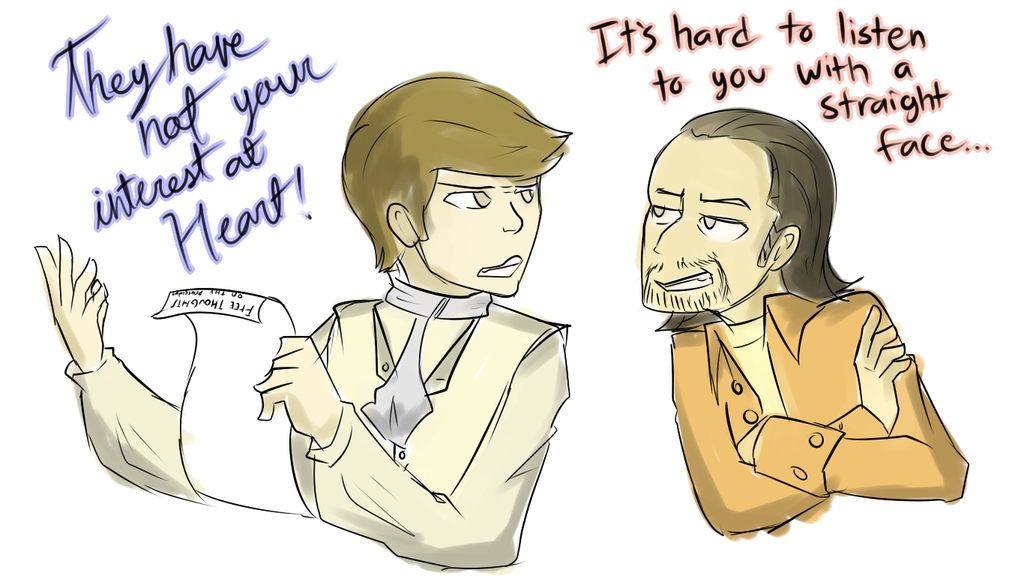
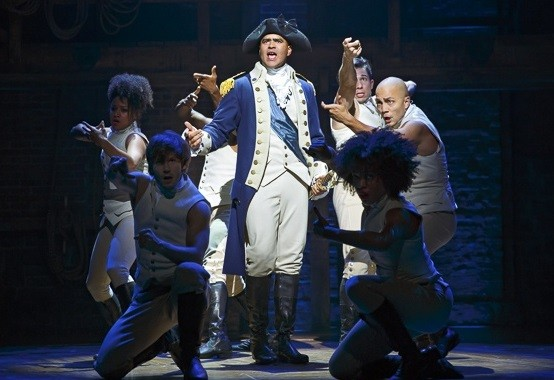
  7. Use Pop Culture:  Of course, Hamilton has a million teaching points. But so do the Animaniacs. And the Rock and Roll Hall of Fame.
  8. Play Music During Transitions:  Try playing music for the one or two minutes you’re giving your students to move from one activity to another. When they put away their bellwork notebooks and put their desks in groups -- play some music. When they are moving from station to station -- play some music. When they’re walking into the room -- play some music.
  9. Use music to learn about historical events: Ask kids what song would be the theme song to a historical figure, or what song best represents an events. Can they think of a song that would describe an era or an invention? Kids know a lot more songs than we do -- let’s use that to connect with content!

Do you have any MORE ideas on ways to teach using music? Email me! I love to HEAR (get it? hear?!?!) about what you do with music in your class!

Rock on!
-Tracy

Wednesday, November 2, 2016

HOT4Ham


Misconceptions  about Hamilton: An American Musical
  1. It’s stuffy (Nope! It’s actually fun hip-hop!)
  2. You have to see it (Nope! You can listen to the audio like the rest of us poor Floridians)
  3. It’s not useful in a middle classroom (Nope! I think it can honestly teach benchmarks with higher-order thinking)

But seriously -- I don’t think I’ve geeked out this bad since New Kids on The Block.

I know, I know -- you haven’t seen it. NEITHER HAVE I (sigh). The only people who have seen it have lived in or visited NYC in the past year AND happened to have tons of cash to spend OR won a $10 ticket in a lottery.

I live in Florida. I’m a teacher, so I don’t have tons  of cash to spend.

So instead of seeing the biggest musical of this century so far -- I listen to it. Free on Amazon Prime Music. Free on Youtube. Or pay for the album, digitally or in the store. Whatevs.

I listen to it. And I watch clips on PBS.

But, if you teach 6th, 7th, or 8th grade in Pinellas -- NOW is the time to use Hamilton in your class! It hits benchmarks in ALL middle school classes this month (or next month).

And if you teach something else -- see if you can use it?

And it can give you a great jumping-off point for higher order thinking.I like to abbrieviate Higher-Order Thinking as “HOT”. It’s  more fun that way.

I think everyone should get HOT4HAM!

Here are my FOUR favorite ideas of HOT4HAM (HOT= “Higher Order Thinking” for “Ham”, Hamilton)


  1. If you’re teaching causes of the revolution...  Use “Farmer Refuted” but make sure you have the lyrics, either on paper or on the screen.
    1. Teaching Idea: Have the kids listen, the first time, to “Samuel Seabury’s” side and then write a one-sentence summary of his (the Loyalists’ side). Then, have them listen  again, this time paying more attention to Hamilton’s (the Patriots’ side) and write a one-sentence summary of the Patriots’ side.
    2. HOT Higher-Order Thinking: Have the kids connect other historical figures from class to the side in the song they would identify with (Seabury’s Loyalist and Hamilton’s Patriot)
Addresses benchmarks (US Hist) SS.8.A.3.2; SS.8.A.3.3; (Civics) SS.7.C.1.3)

  1. If you’re teaching the American Revolution ... Use “Right Hand Man” (first two minutes) and use “Guns and Ships”. Again -- print or project the lyrics (especially because they are rapped so fast in this song). You might annotate the lyrics, too, to help with some of the tough vocab here.  
  1. Teaching idea: Then, ask students to turn and talk about how the individuals in the songs (Washington, Hamilton, Lafayette) contributed to the American War effort.
  2. HOT Higher Order Thinking: Specifically, ask them to tell us how those men helped America win the war.  Have them rap their answer for bonus points.
Addresses benchmarks (US Hist) SS.8.A.3.3; SS.8.A.3.4, SS.8.A.3.6

3. If you’re teaching the Early Republic ... Use “One Last Time” (which is available as an actual video -- with actors singing!! At a Washington Prize Award ceremony).  This number teaches Washington’s Farewell Address -- both the reasons behind establishing the two-term presidency and the actual words of the document itself.
  1. Teaching idea: Ask students to read excerpts from Washington’s Farewell Address to determine a few of the main ideas.
  2. HOT Higher Order Thinking: I would ask students to use historical cause and effect skills and to write a few sentences about what would be different in our country if Washington hadn’t self-limited the presidency to two terms.
Addresses benchmarks (US Hist) SS.8.A.3.12 (Civics - it’s a stretch, but maybe  SS.7.C.3.8)

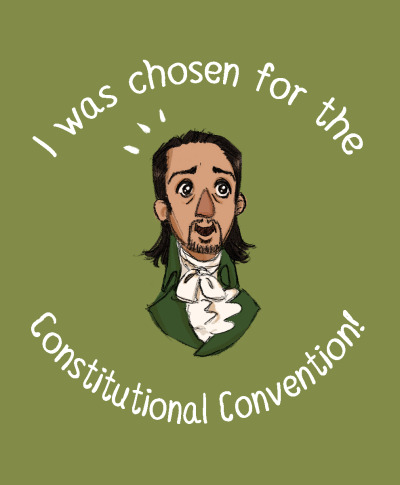
4.  If you’re teaching the Constitutional Convention & Federalist Papers ... Use “Non-Stop” and choose the excerpts that best help (there’s some extraneous verses here). Then,
    1. Teaching idea: Focus on the verse about the Constitutional Convention.  Have students examine Hamilton’s contributions to the Constitutional Convention. http://www.pbs.org/wgbh/amex/duel/sfeature/hamiltonusconstituion.html
    2. HOT Higher Order Thinking: Have students pull out two or three ways (from the song or the PBS Article that PROVE that Hamilton was a Federalist.
    3. Teaching Idea: Focus on the verse about the Federalist papers. Have students discuss why Hamilton may have been motivated to write 51 essays about the Constitution.
    4. HOT Higher Order Thinking: Have students explain how the quote below connects to the Federalists :
Why has government been instituted at all? Because the passions of men will not conform to the dictates of reason and justice, without constraint.
-Alexander Hamilton, Federalist No. 15
Addresses Benchmarks: US Hist SS.8.A.3.10, SS.8.A.3.11. Civics SS.7.A.1.8

You don’t have to use Hamilton: An American Musical in your class. But you do have to use HOT (Higher-Order Thinking) -- and use them frequently.

Image result for hamilton musical memeIf you’ve seen Hamilton: An American Musical -- tell me. Wait, don’t tell me. I’ll be too jealous.

I encourage you to catch a listen to Hamilton (links to audio above). Can you use Hamilton to teach middle school Civics or US History -- or something else? How can you use it to have kids practice higher order thinking skills(HOTs)? As always, I love to hear from you (especially if you have an extra plane ticket AND an extra Broadway ticket) :D Email me (about the HOT, not actually about your ticket) newmantr@pcsb.org
-Tracy

Wednesday, May 25, 2016

Cruel Summer (It's so SHORT!)


I can’t believe how short this summer is going to be! Between family vacations, DIY projects, professional development, child-oriented activities and my summer reading list – I’m not going to get much downtime!

But, yes, it's that time again!! Time to gather my summer reading list that I may (or may not) complete this short summer!  I got a sweet new hammock for Mother’s Day (thanks, honey!) so I plan to carve out a little time here and there to actually (gasp!) read books!


Here you go! Tracy’s Awesome Summer Reading List

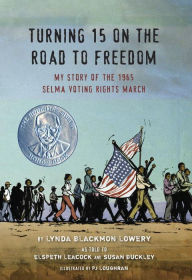
  1. Turning 15 on the Road to Freedom: My Story of the Selma Voting Rights March   by Lynda Blackmon Lowery and PJ Loughran. Our Clearwater High students went on an amazing Civil Rights tour and happened to meet the author of this book -- on the Edmund Pettus Bridge, in Selma, Alabama! It’s the autobiographical story of the youngest marcher on the 1965 historic voting rights march from Selma to Montgomery, Alabama. Looks awesome!

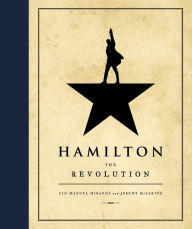
  1. Hamilton: The Revolution by Lin-Manuel Miranda. So, I’m OBSESSED with the Hamilton musical soundtrack. OB-sessed!! So this book about the show with lyrics, essays, historical documents (squeeee!!!) and other info and visuals may be my book “dessert” of the summer. Meaning, I am going to have to read something good for me before I allow myself to sink into this one. Historical documents, y’all!!
*Favorite lyric of the week: “I’ll write under a pseudonym, you’ll see what I can do to him”. Say it out loud. It is a tight rhyme!

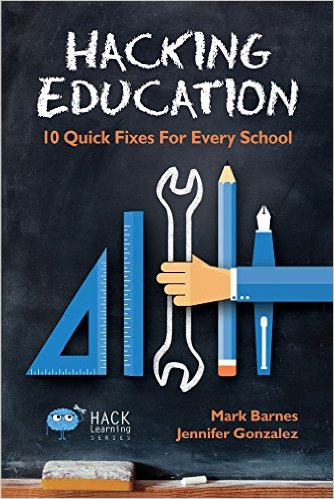
3. Hacking Education: 10 Quick Fixes for Every School by Mark Barnes and Jennifer Gonzalez. I have been reading Jennifer Gonzalez’s blog posts on the Cult of Pedagogy (it’s way more accessible and useful for a regular teacher than it sounds) and I so far like a lot of what she has to say. So I’m curious what constitutes an “education hack” and if anything is as easy as that sounds. Stay tuned. After I read it I should have some thoughts on that.

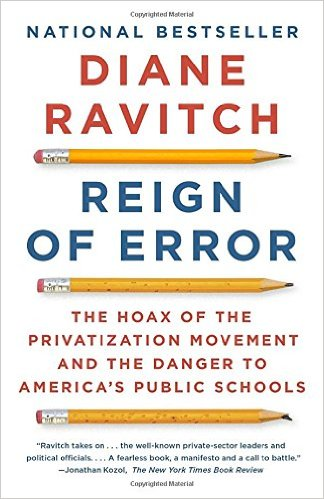
4. Reign of Error by Diane Ravitch. I know, I know. This one is a little political (but thankfully, with a 2014 publication date, we can leave the current presidential campaign out of it). I have had this book come up in several lists and blogs that I read (both praising and critiquing) and, again, I’m curious. It’s about the privatization of education, something Ravitch says is a “hoax” and is “dangerous”. I haven’t read the book, so I can’t speak to whether or not I agree with her. But the woman is known for doing serious research, so I’ll give it a try.

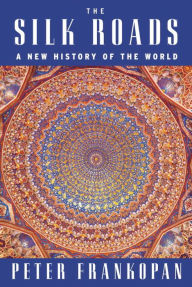
5. The Silk Roads: A New History of the World by Peter Frankopa. This one might be a little ambitious for this short summer, but I’m going to give it a try. This is supposed to be World History on a bigger-picture scale (but not necessarily “Big History”) and not from a western-Civ perspective. I know middle school folks are having some pangs of sadness for the World  History course. This may ease the pain so you don’t have to go “cold turkey”. :)

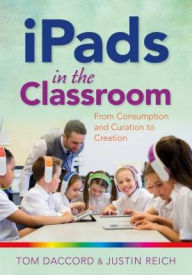
6. iPads in the Classroom by Tom Daccord and Justin Reich I just got this book and what intrigued me was the rest of the title “...From Consumption and Curation to Creation”. I really love the idea of moving from the idea of “putting content into the kids’ brains” to having the curated and make things with tablets. Plus, it’s short. And I think I have gotten overly-ambitious with my list this year.

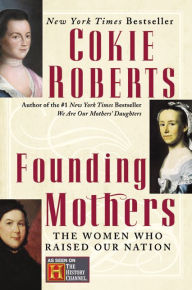
7. Founding Mothers by Cokie Roberts I heard her speak about this book at a conference last year and LOVED both her style and her research. As we dig into the Founding Fathers, I find the Founding Mothers a fascinating look at the women who were a part but not a part of the creation of our nation. Plus, she is a heck of a writer!

What’s on your summer reading list? Are you actually going to get through much of it? Are you reading plenty of beach-reads, too? The countdown is in single digits, y’all! Are you ready for the year to be over? I always love to hear what you’re reading, too. Please share!

Have a great rest of the week!
-Tracy